 Customer Acquisition
 Paid Ads
 CRO Strategy
 Landing Pages
 Website Design
 Case studies
 Blog
 Results
 Templates


B2B buyers start 79% of their conversations with sellers themselves, and the vendor they already favor at that point wins 77% of the time (6sense, 2025 Buyer Experience Report).
That favorite gets picked while buyers read your content, your competitors’ content, review sites and AI answers. SaaS inbound marketing is how you earn a place on the shortlist before the first sales call. This guide covers how to build an inbound program for a B2B SaaS company, which content to make first, how to turn readers into trials and demos, and how to measure it in pipeline.
TL;DR
- Inbound marketing for SaaS gets buyers to find you while they research, then converts them on your site.
- Start at the bottom of the funnel: pricing, comparison, alternatives and integration pages.
- Give every page close to a purchase one clear next step that fits your motion: a free trial for product-led, a demo for sales-led.
- Judge inbound by SQLs, pipeline and CAC payback. Traffic is an early signal at best.
- AI summaries take clicks from Google, so publish material worth citing and ask leads how they found you.
What is SaaS inbound marketing?
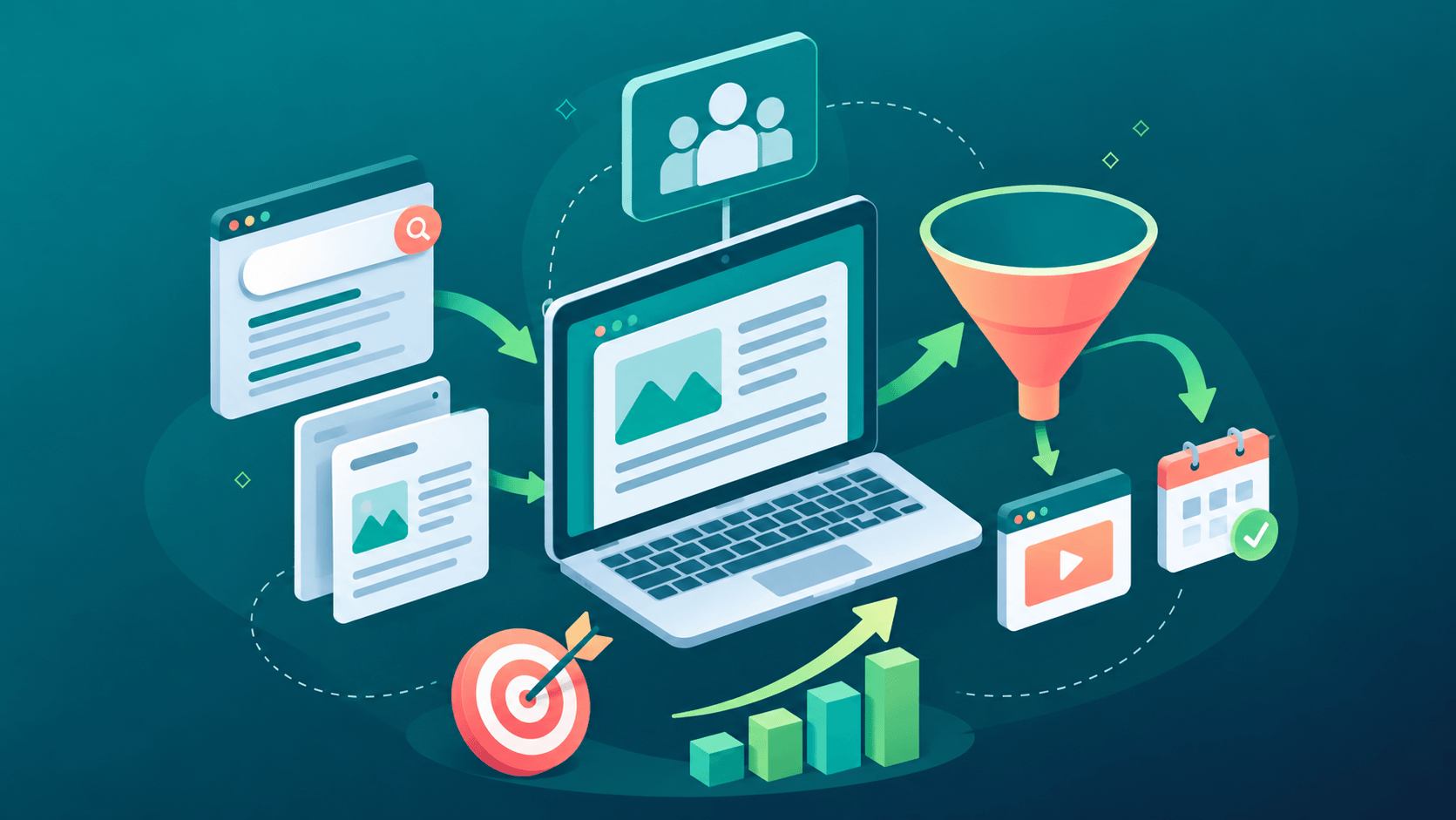
SaaS inbound marketing means attracting software buyers through search and content they find on their own, then converting them on your website into trials or demos. Outbound starts the conversation for them, with cold email and cold calls. Inbound shows up where the buyer is already looking.
In B2B SaaS the product is often part of the inbound engine. A free plan or an interactive demo can do the job a gated ebook did ten years ago. Paid search on buying terms sits close to inbound too. Someone who types “Gong alternatives” into Google asked to see options, so send those ad clicks to the same pages as organic visitors.
Why inbound matters more for B2B SaaS buyers now
Buyers do most of the work before they talk to you. In the same 6sense study, 94% of buyers ranked their shortlist by preference before contacting a seller, and first contact came about 61% of the way through the buying process. If your content is missing from that research, you start the sales process behind the favorite.
The research itself has moved. 6sense found that 94% of buyers use large language models during the purchase. On Google, Pew Research Center found that users clicked a traditional result in 8% of visits when an AI summary appeared, against 15% when it did not. Broad “what is X” articles get fewer clicks than they used to. Pages for buyers comparing vendors, and content AI tools cite as a source, hold up better.
How to build a SaaS inbound marketing strategy
Step 1: Learn the problem in the buyer’s own words
Interview eight to ten customers who signed in the last six months. Ask what they searched before they found you, which tools they compared, what nearly made them pick someone else, and who had to approve the purchase. Then read recorded sales calls and support tickets. The output is a list of problems written the way buyers say them, plus the job titles in a typical buying group.
Step 2: Map keywords to funnel stage, starting at the bottom
Most SaaS blogs start with broad educational posts. We would build in this order instead:
- Pricing and cost pages (“[category] pricing”, “how much does [tool] cost”).
- Comparison and alternatives pages (“[competitor] alternatives”, “[you] vs [competitor]”).
- Integration and use case pages (“[category] for fintech”, “[tool] Salesforce integration”).
- Guides that describe the pain before naming a product.
- Broad educational content and thought leadership.
The first three rarely show big search volume, but the people searching them are choosing a vendor this quarter. IMPACT’s version of this idea, built on Marcus Sheridan’s They Ask, You Answer, centers on five topics buyers always research: cost, problems, reviews, “best of” lists and comparisons (IMPACT). Our SaaS keyword research guide shows how to find them.
Step 3: Publish what an AI summary can’t give
If an LLM can write your article from what is already online, it can answer the question without sending anyone to you. Put things in the content that only your team has: real pricing ranges, screenshots of setup, data from your own product, a frank section on who your tool is wrong for, and opinions from the people who build it.
Structure helps with citations. Answer the question in the first two sentences under each heading, use tables for comparisons, and show a visible “last updated” date.
Step 4: Build the conversion path for your growth motion
Match the main call to action to how you sell. Product-led companies should push a free trial or signup and show the product on the page. Sales-led companies should use a short demo form that routes the lead and opens a calendar right away, with a tool such as HubSpot Meetings or Chili Piper.
Add a lighter option for visitors who are not ready, such as an interactive product tour (Navattic and Storylane both build these) or a template. Then test the pages. Form length and proof near the CTA usually move demo rates more than copy tweaks do. Our SaaS landing page team builds these pages for B2B SaaS companies.
Step 5: Agree on lead scoring and handoff with sales
Inbound breaks down when marketing and sales define a good lead differently. Write down an inbound sales framework both teams sign: which fit criteria (company size and role) and which behaviors (pricing page visits, trial activation events) make a contact an MQL, what makes it an SQL, and how fast sales must follow up. For product-led motions, add product-qualified leads based on usage.
Nurture should react to behavior. Cobloom gives a good example: an email triggered when a known contact views the pricing page. HubSpot and Customer.io both support triggers like this.
Step 6: Distribute everything you publish
Repost each piece from founder and employee LinkedIn accounts, share it in the communities your buyers use, keep your G2 and Capterra profiles current, and retarget readers of your bottom funnel pages with paid ads.
How do you measure SaaS inbound marketing?
Measure inbound by pipeline. Track trials and demos by landing page, SQLs and pipeline value sourced from inbound, inbound CAC and payback period, and conversion rate between each stage. Traffic and rankings are early signals only.
Add a required “How did you hear about us?” field to demo and signup forms. Research that happens inside ChatGPT or a podcast leaves no trace in analytics, and self-reported answers fill part of that gap. Compare them against your attribution model. If GA4 events, CRM fields and ad platforms disagree, our SaaS analytics team can set up reporting you can trust.
Common mistakes in B2B SaaS inbound marketing
The most common one is writing for traffic instead of buyers, then wondering why a jump in visits brings almost no demos. Hiding pricing is another: buyers who can’t find a range go to a competitor who shows one. And without feedback from sales, nobody learns which pages bring in the deals that close.
FAQ
Is inbound or outbound better for B2B SaaS?
Most B2B SaaS companies need both. Inbound catches buyers who are already researching. Outbound reaches accounts that fit well but are not searching yet. Our demand generation guide covers how the two work together.
How long does SaaS inbound marketing take to work?
Bottom funnel pages and search ads on buying terms can produce demos within weeks. Organic rankings for new content usually take several months, so give SEO-led inbound at least two quarters before judging it on pipeline.
Do you need HubSpot for SaaS inbound marketing?
No. HubSpot puts the CMS, forms, email and CRM in one place, which saves integration work. A leaner stack of Webflow plus a separate CRM works too, as long as form submissions and revenue connect in one report.
Start with the pages closest to the deal
Pick five pages this week: your pricing page plus the four pages that bring in the most demo requests. Check whether each one answers the buyer’s question directly and gives them a single next step.
If the path from those pages to a trial or demo breaks somewhere, book a strategy call with Bounty Hunter and bring those five URLs. We’ll go through the conversion path and the reporting behind them, and you will leave knowing which page to fix first.